The Space Between Selves
A dark feminist blog exploring goddess mythology, modern womanhood, and female power through poetry, essays, and literary analysis. Along with some reviews of books I love.
Follow the blog to receive every new essay, poem and video exploring transformation, mythology, books and beautiful darkness.
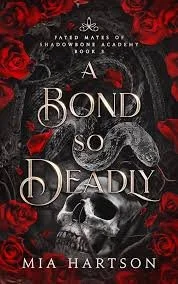
A Bond so deadly
We have dark academia, dark fantasy romance, four shadow daddies and why choose, we have secret identities, a demon best friend, a soul bonded animali that is a phoenix and an evil queen. All the makings of a great book. And it is.
This is the third and final book in the Fated Mates of Shadowbone Academy. And it lived up to the expectations I had in my head.
This book begins right where book two left off. The demon queen, Blake and Shade’s bestie, arrive with her mates and the demon army demanding to know who is trying to hurt her friend. The shadow queen finds it all hilarious until she realises the truth and tries to broker a deal with the demon queen.
The shadow queen demands Shade stays confided to the academy and takes off to the shadow palace.
Shade finally has most of her memories, though there is still something niggling at her mind that won’t break through. It takes a long time for it to come through and the realisation of why it mattered.
The whole book feels like an emotional roller coaster. Just as things settle a bit, something happens. Only for something to change again. Nothing is steady, nothing is known, nothing feels real.
Shade overcomes her tragic start to life to be the saviour the world needs, to become the hope of a realm. To be the one that brings them all together. To be the one to show them all the way. Even when the others aren’t sure, she trusts her instincts. And she stands up for what is right. This includes when she saved Satine, even though the girl tried to kill her.
It’s those choices, those moments that make Shade the person she is. That makes her the one worthy of the realm.
This is such a good series, I have enjoyed it so much. There is a prequel series about Shade’s bestie, Blake finding her mates and becoming the demon queen, The Game of Psychos. And we have Shade still cursed and in crow form.
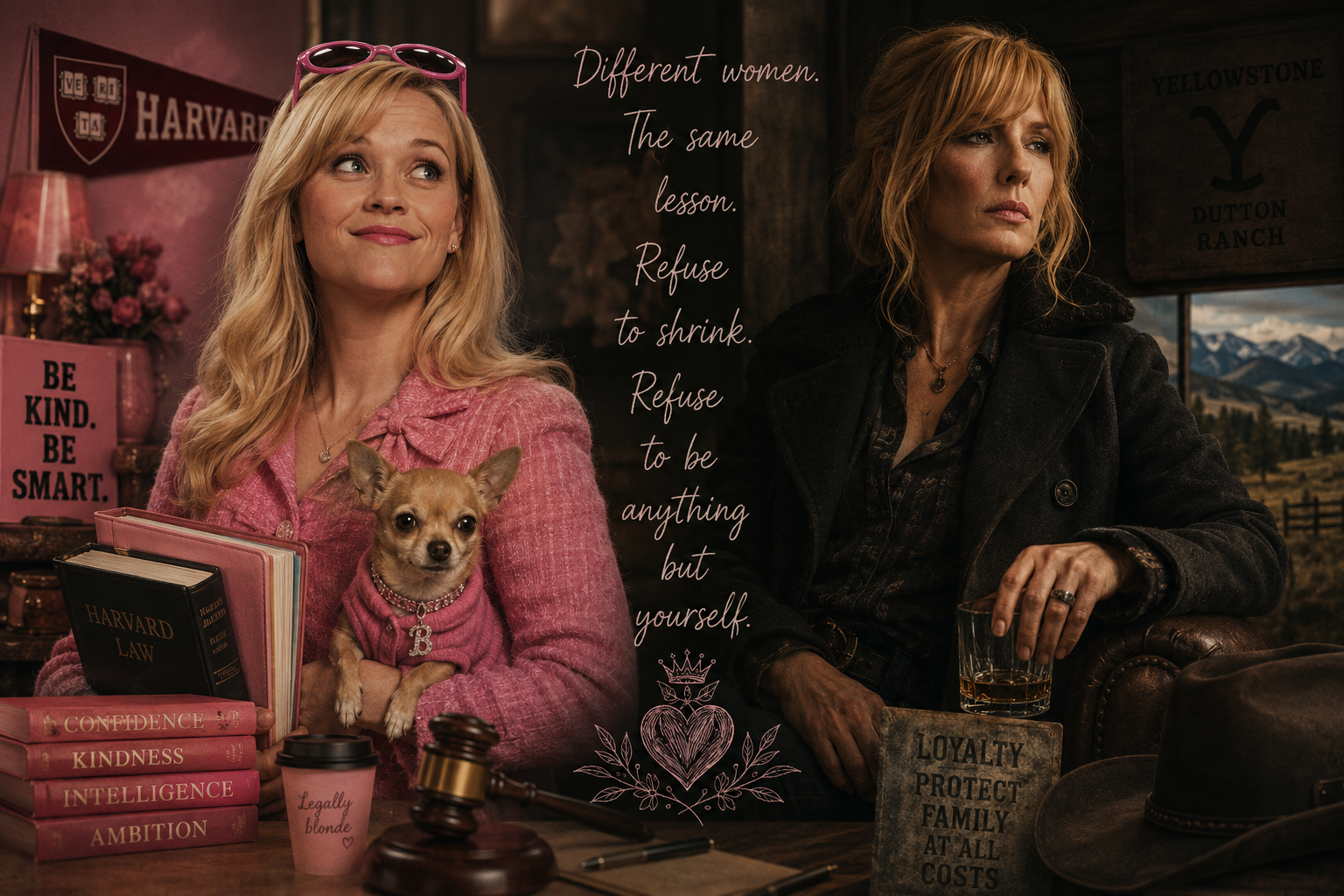
What Elle Woods and Beth Dutton Taught Me About Being a Woman
What can a bubbly law student in pink and the fierce daughter of a Montana ranch possibly have in common? More than you might think. In this reflection, I explore why Elle Woods and Beth Dutton have become two of my favourite fictional women, and the unexpected lessons they both teach about authenticity, courage, boundaries, and refusing to shrink to fit other people's expectations. Their journeys may look completely different, but together they reveal that there is no single way to be a strong woman.
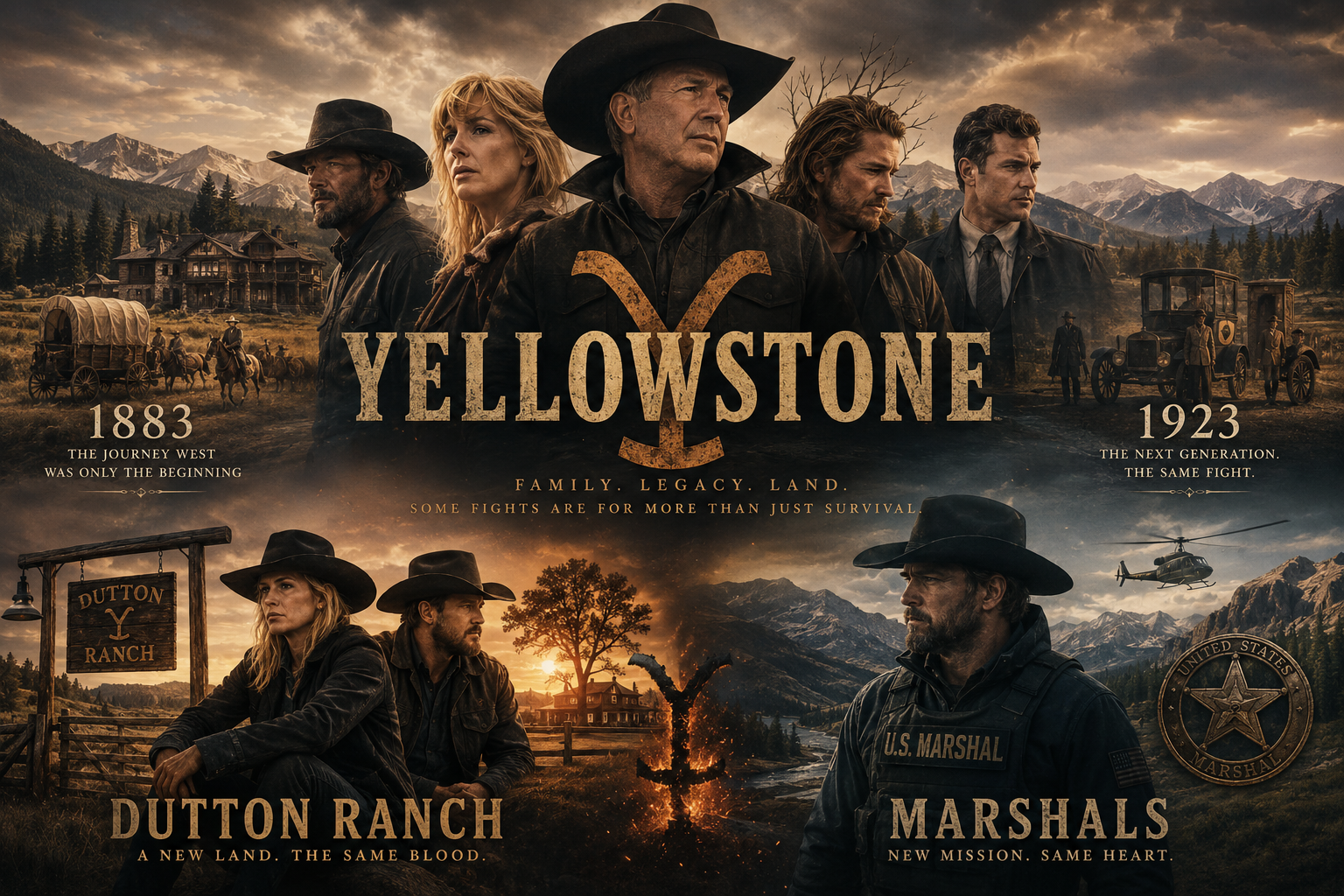
Why Yellowstone and Its Expanding Universe Have Become a Television Phenomenon
Why has Yellowstone become one of the biggest television franchises of our time? It isn't just the sweeping landscapes or the cowboy lifestyle. At its heart, the Yellowstone universe tells timeless stories about family, loyalty, legacy, and the fight to protect what matters most. From 1883 and 1923 to Dutton Ranch and Marshals, this modern Western has become something much larger than a television series. It has become a contemporary mythology that continues to captivate audiences around the world.

Elle Review: How the Legally Blonde Prequel Perfectly Captures Elle Woods
Elle is more than a prequel to Legally Blonde. It's a thoughtful coming-of-age story about identity, belonging and the courage to stay true to yourself. As Elle Woods navigates the challenges of a new school and a new life, we begin to see the experiences that shaped the confident, compassionate woman we later meet at Harvard. Funny, nostalgic and full of heart, this series reminds us that authenticity will always matter more than fitting in.
Life Lessons from Turtles: Embracing the Journey Over the Destination
Some of life's greatest lessons don't come from the loudest voices. They come from quiet creatures who never seem in a hurry. Turtles remind me that healing, growth, and joy aren't found in rushing toward the next destination, but in embracing each gentle step of the journey. Slow and steady isn't falling behind. It's choosing to truly live.
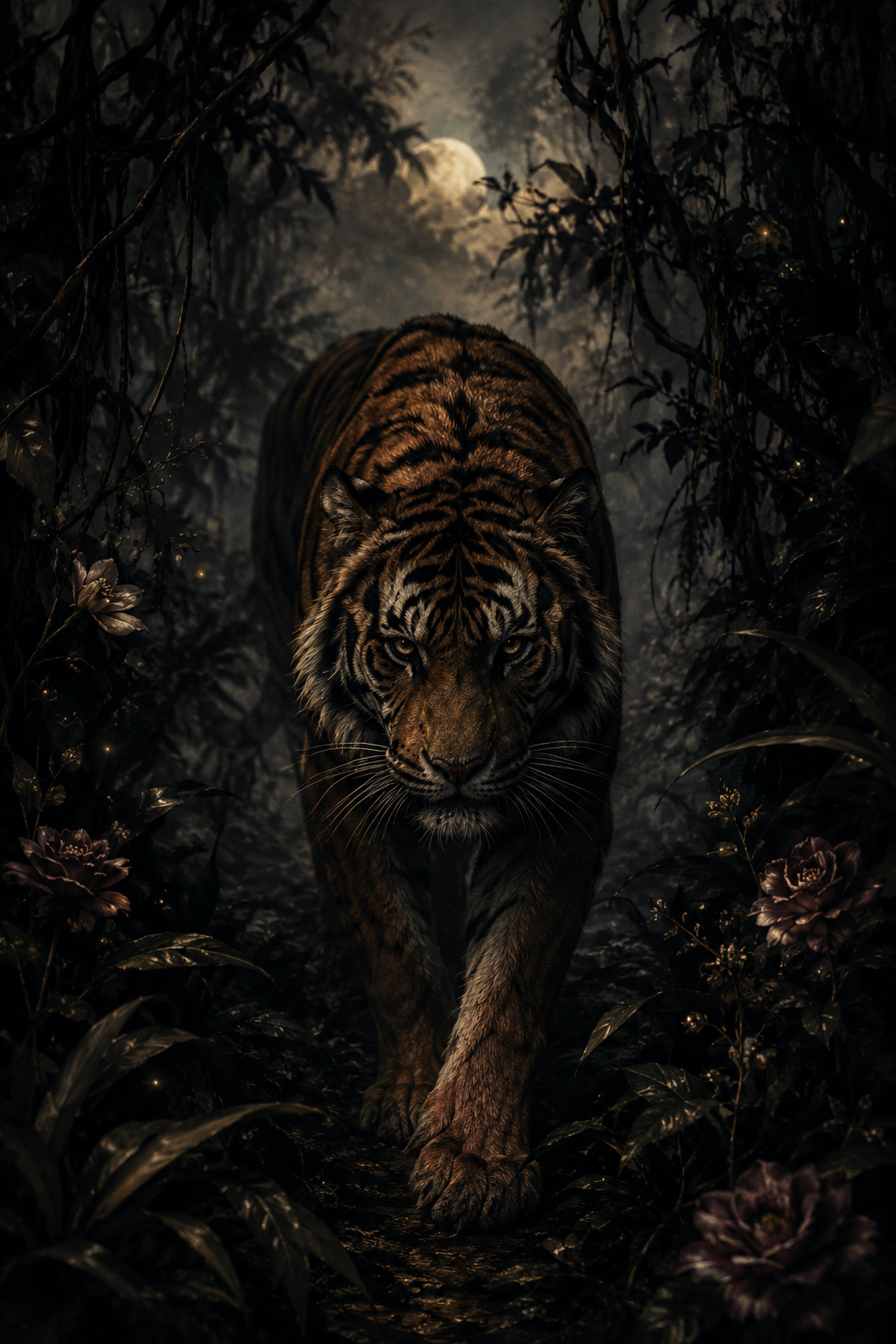
Why Tigers Have Always Captivated Me
Some animals are admired. Others leave a mark on your soul. Tigers have always been that animal for me. They embody a rare combination of beauty, grace, quiet strength, and untamed freedom. Every step they take through the jungle feels like a reminder that true power doesn't shout. It simply knows itself.
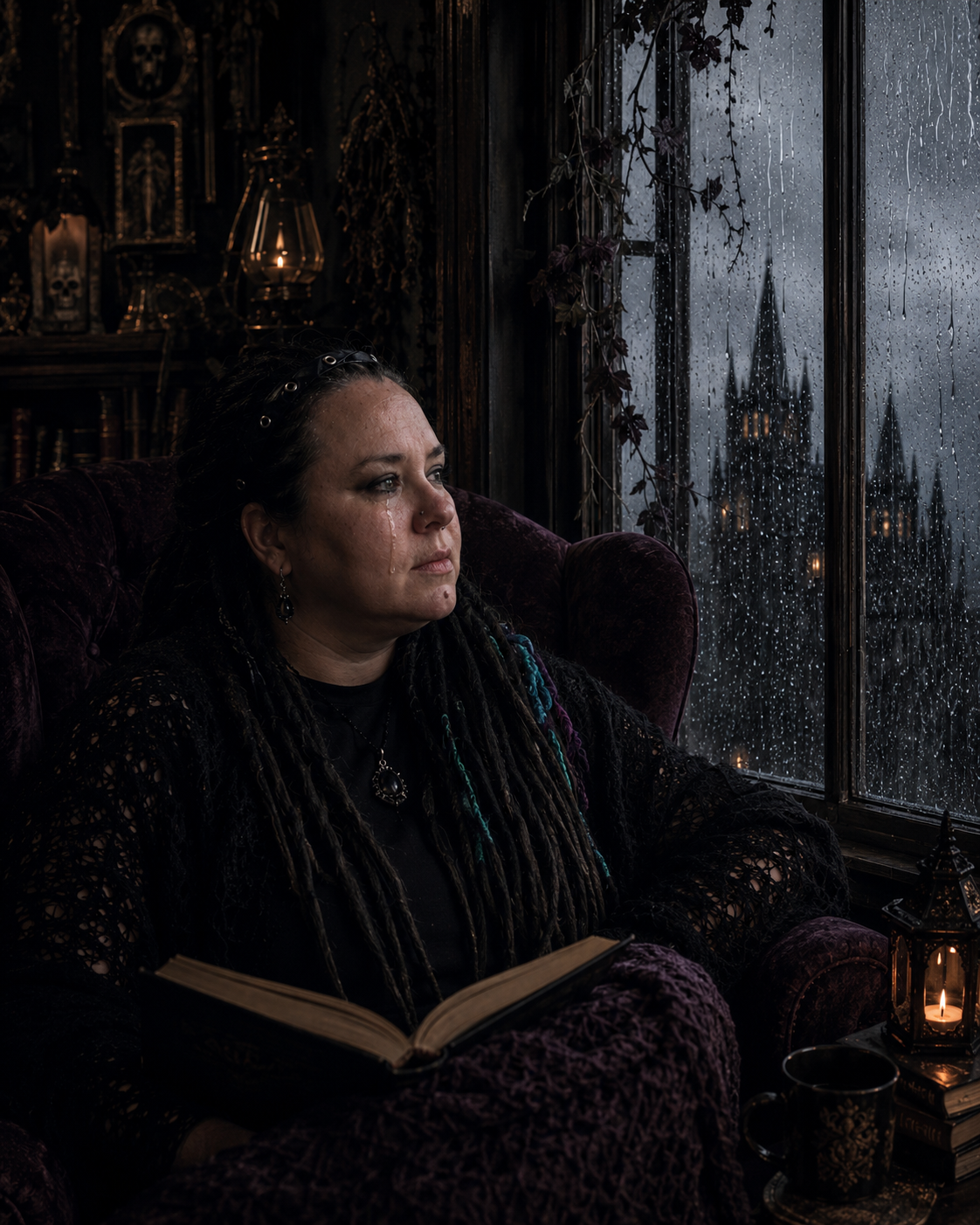
I Thought Healing Meant I Wouldn't Feel Like This Again
I used to think healing meant I would eventually stop having bad mental health weeks. That if I did enough therapy, enough self-reflection and enough healing, the sadness would simply disappear. But healing hasn't removed my difficult days. It has changed how I meet them. This is for anyone who has ever wondered if they're failing because old feelings have returned. You're not alone, and you haven't gone backwards.
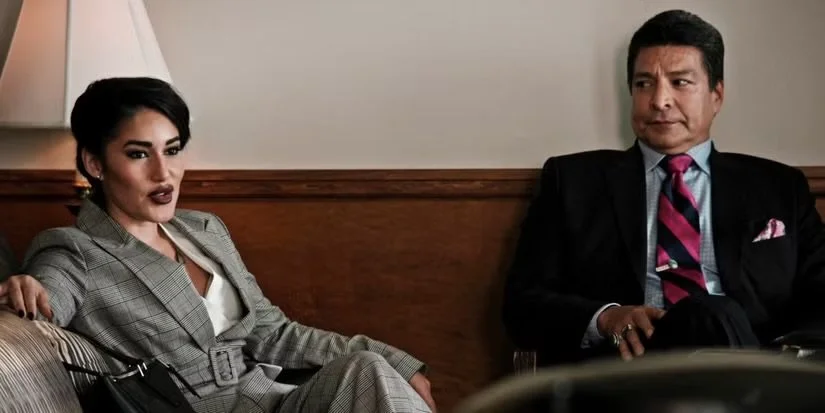
Angela Blue Thunder: The Woman Who Refused to Bow
Angela Blue Thunder is one of Yellowstone's most unforgettable women because she refuses to mistake silence for strength. Fierce, intelligent and unwavering in her convictions, she embodies feminine rage as a force for justice rather than destruction. From her fearless confrontation with Roarke to her relentless fight for her people, Angela reminds us that true power lies in knowing your worth and never apologising for standing your ground.
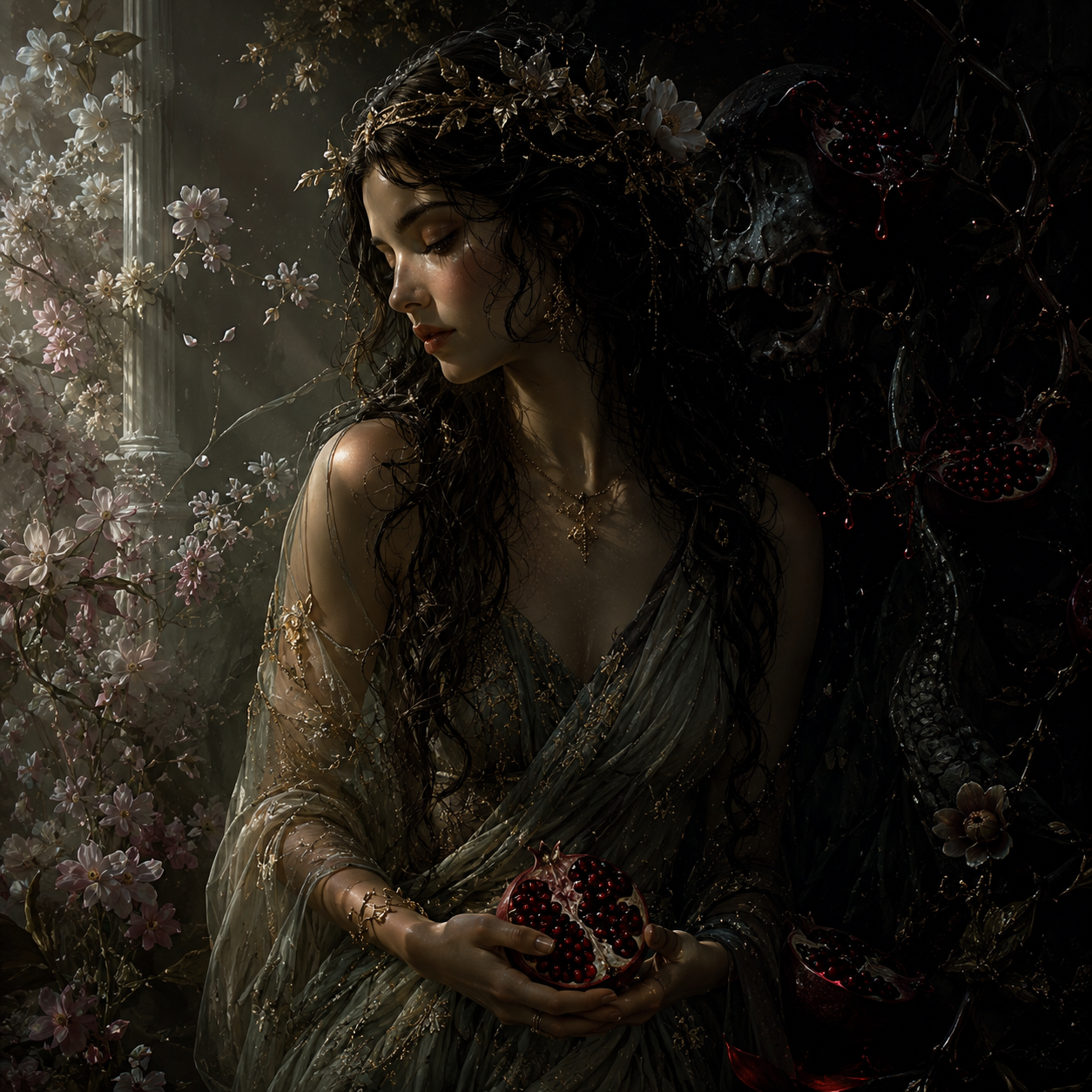
Persephone's Dual Nature: What the Queen of the Underworld Teaches Us About Becoming Whole
Persephone is far more than the goddess of spring. She embodies the delicate balance between light and darkness, innocence and wisdom, life and death. This reflective essay explores why her dual nature continues to resonate today, revealing what the Queen of the Underworld can teach us about transformation, resilience, and becoming whole.
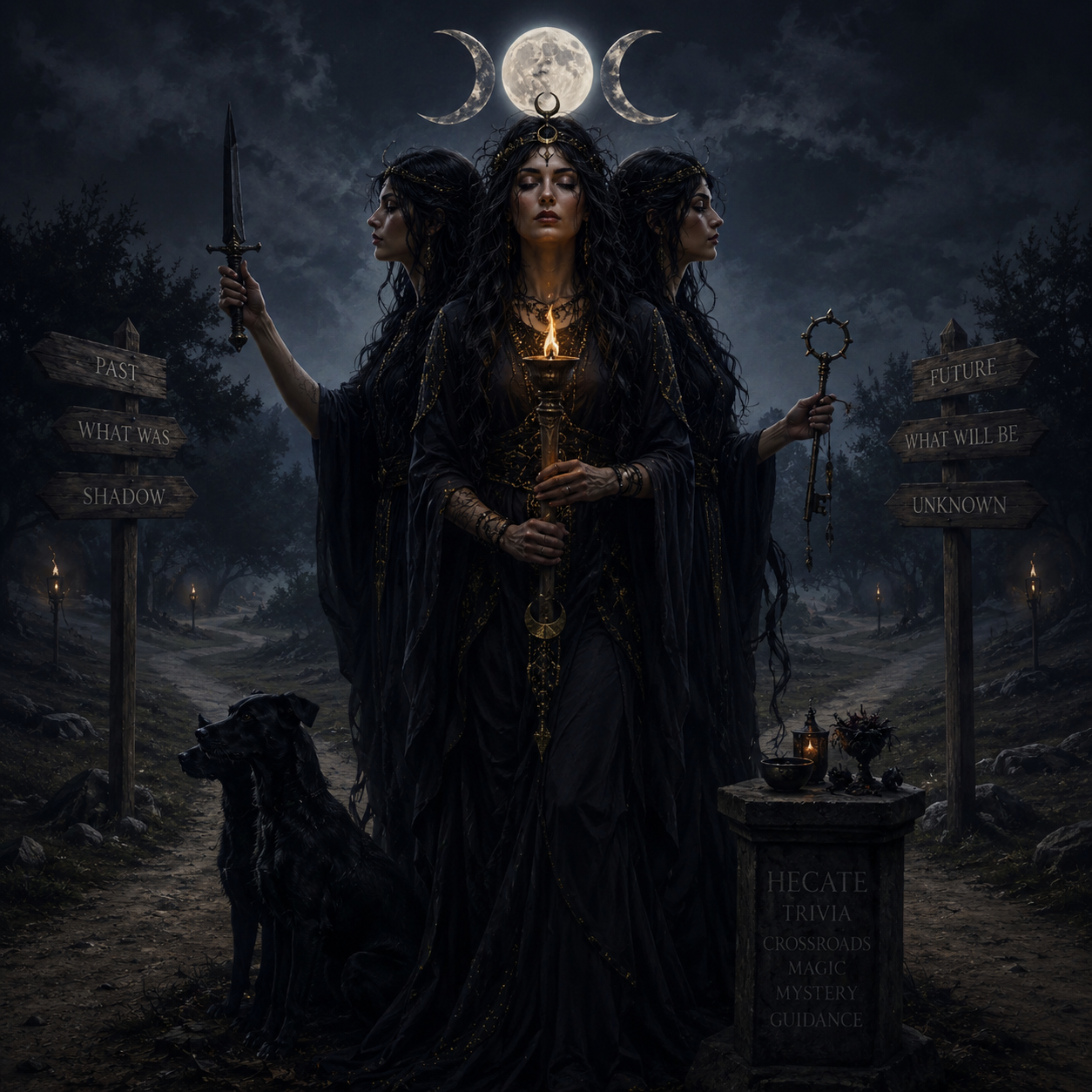
Why I Am Drawn to the Dark Goddesses
The dark goddesses have never called me because they represent evil. They have called me because they represent women who refuse to disappear. In their stories of crossroads, fire, grief and transformation, I have found not darkness, but the courage to become more fully myself.
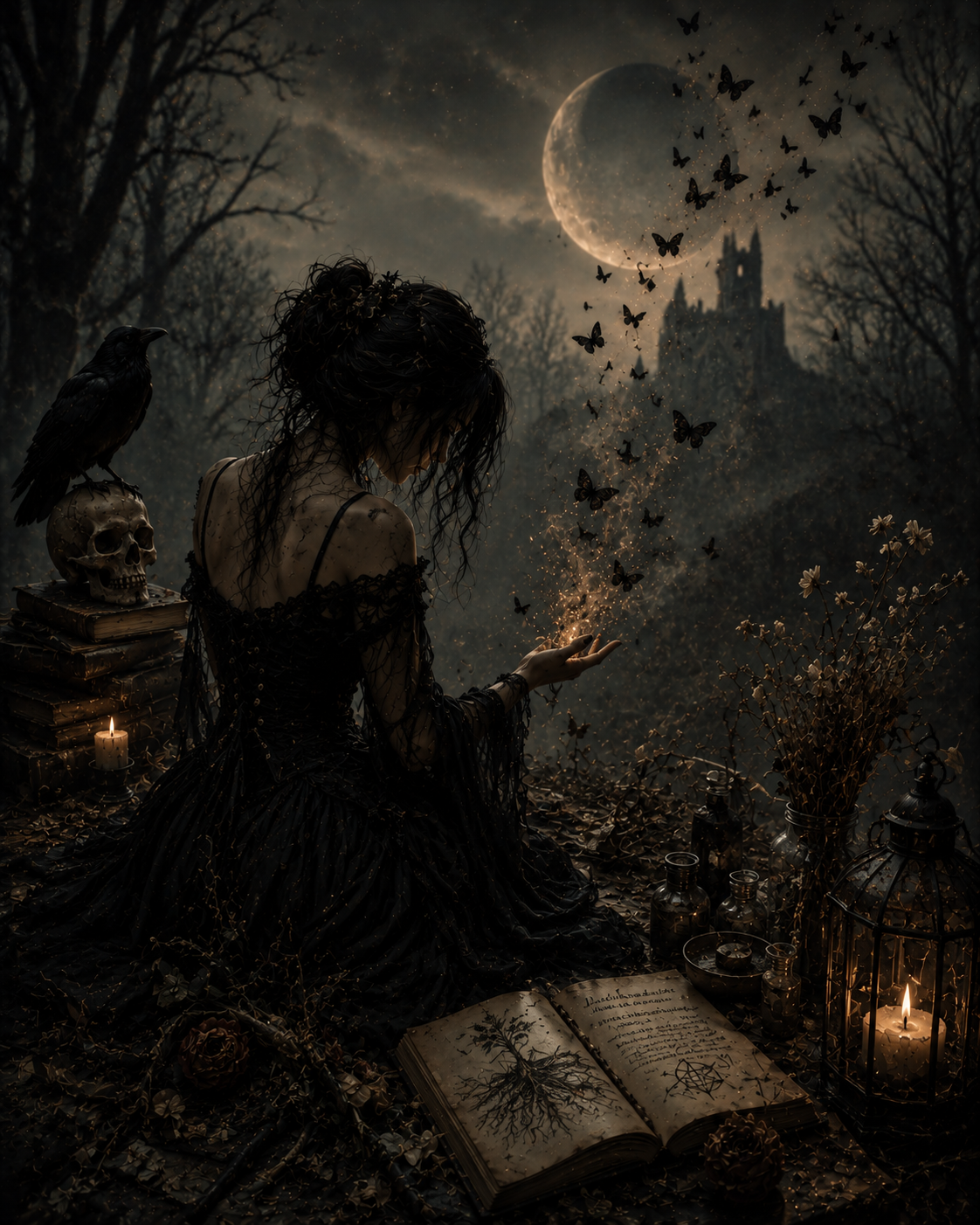
What It Means to Be a Dark Whimsy Woman
Dark whimsy is more than an aesthetic. It is a way of seeing the world. It is finding beauty in forgotten places, strength in vulnerability, and wonder in the shadows we have been taught to fear. This is an essay about embracing every part of yourself and discovering that sometimes the path through the darkest forest is the one that finally leads you home.
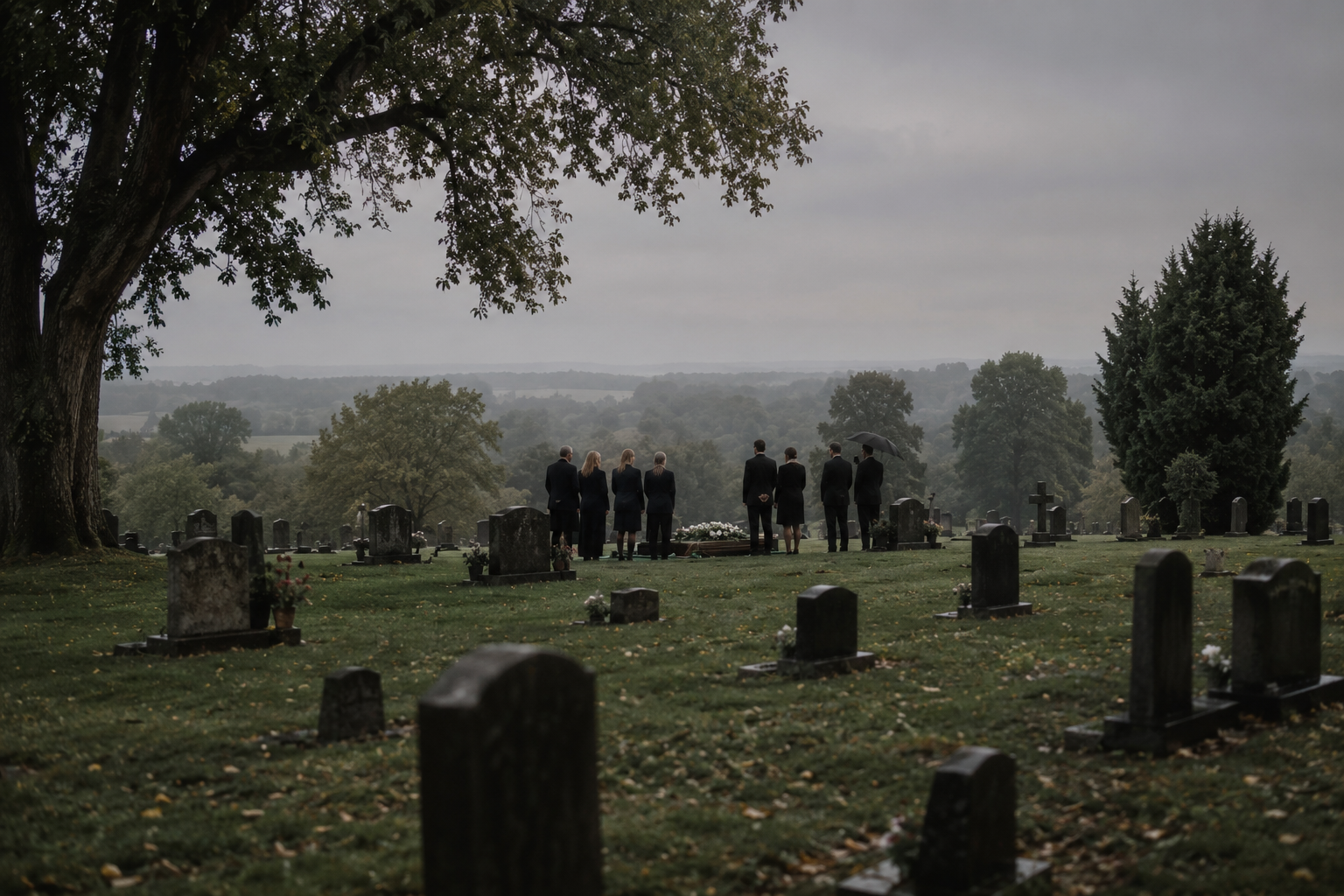
A Death in the family
Funerals have a way of bringing families back together, often after years apart. In this reflection on the loss of my Uncle John, I explore the many faces of grief, why we don't all mourn in the same way, and how saying goodbye can remind us of the importance of gathering while we still can.
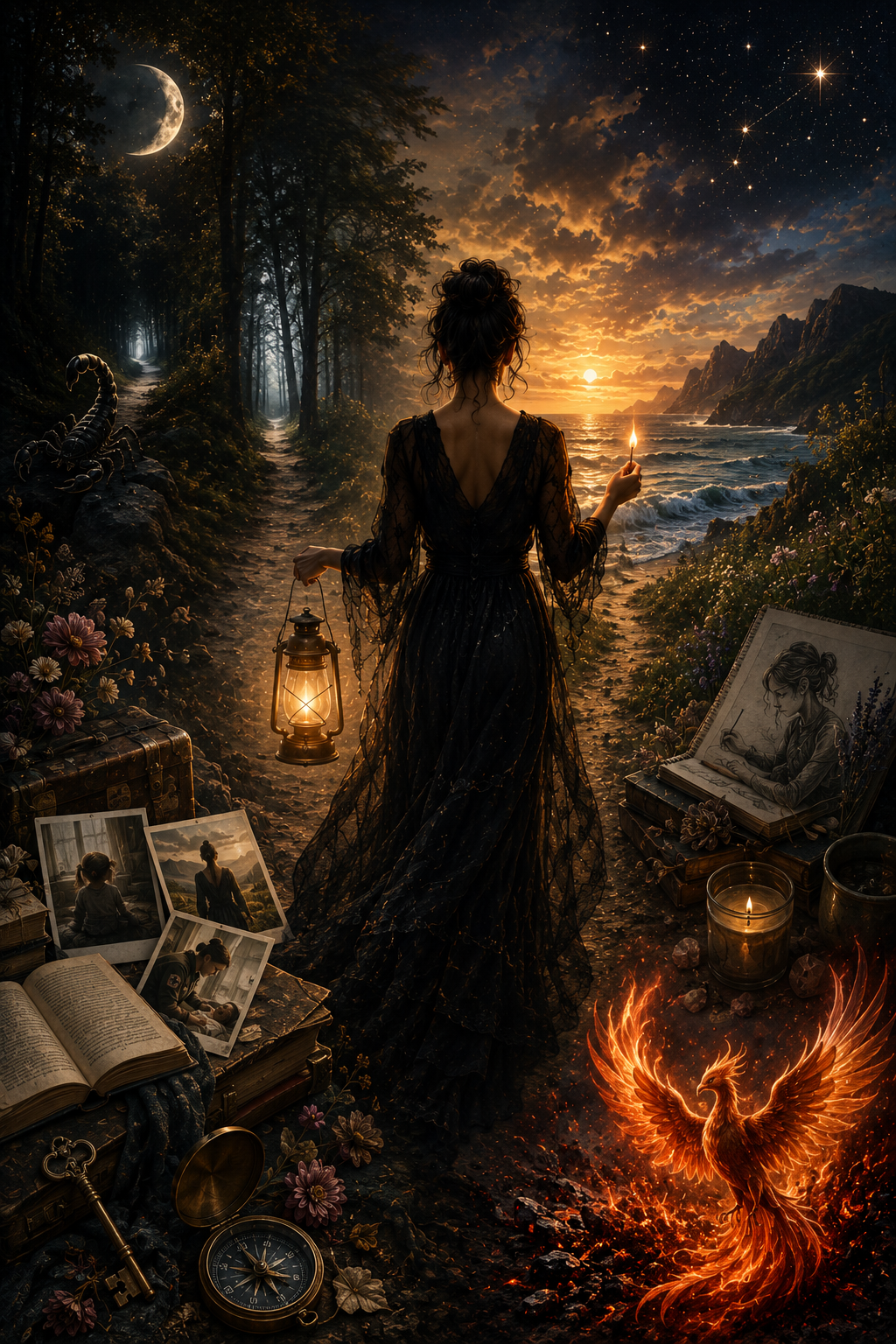
The Woman Beneath the Ashes: A Manifesto for Being Seen
Some women spend their lives trying to become smaller so they can fit comfortably into the expectations of others. This is not that story.
The Woman Beneath the Ashes is a reflection on transformation, belonging, and the courage it takes to be fully seen. It is for every woman who has survived, reinvented herself, and is finally ready to stop apologising for her depth, her darkness, and her light.
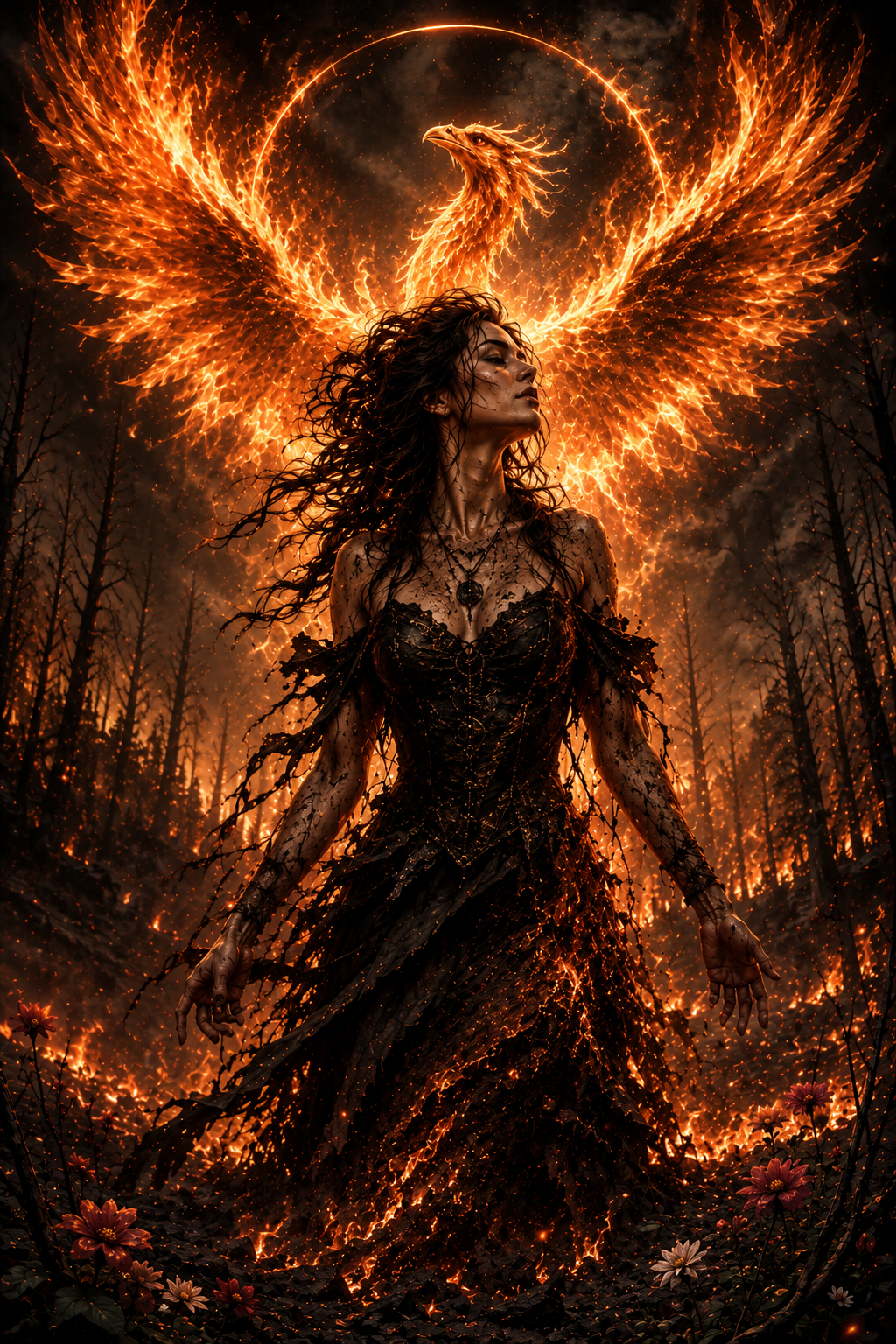
Becoming the Phoenix
We often think the phoenix is a symbol of survival, but it represents something far more profound. True transformation isn't about returning to who you were before life changed you. It's about allowing old versions of yourself to fall away so something more authentic can emerge. This is a reflection on grief, healing, identity, and the quiet courage it takes to rise from the ashes, not as the person you once were, but as the person you were always becoming.
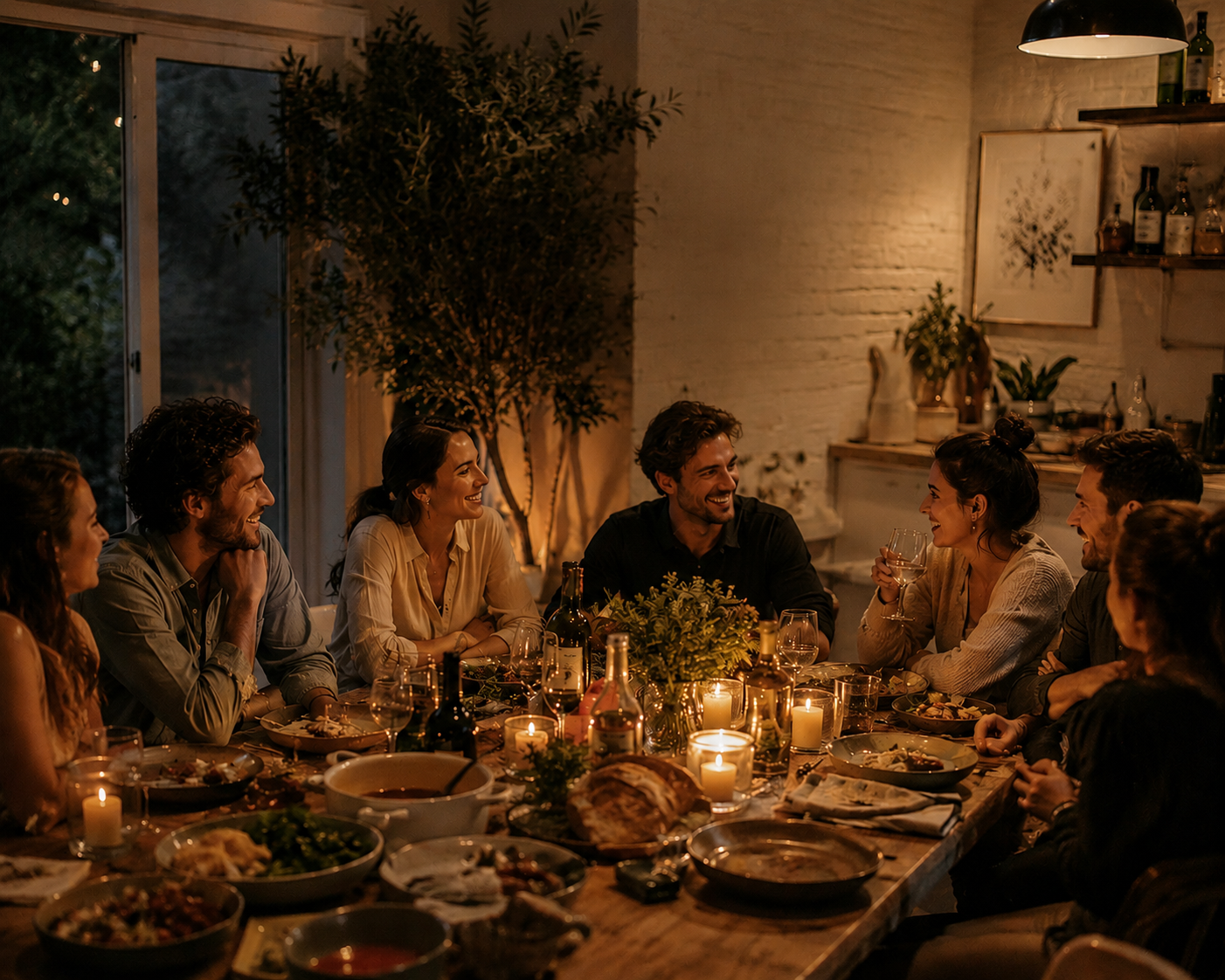
Time with Friends
Some of my favourite moments in life happen around a table. Not because of the food itself, but because of what the food makes possible. Honest conversations. Shared stories. Laughter that lingers long after the plates are cleared. To me, community isn't about filling a room with people. It's about gathering the right people. The ones who make you think, grow, laugh, and feel at home.

Travelling
Travel has never been just about seeing new places for me. It has been about growth, courage, healing, and discovering what lies beyond the edges of my comfort zone. Every journey offers something different: a new perspective, an unexpected lesson, a beautiful memory, or a reminder of how vast and extraordinary the world truly is. The places I've visited have shaped me, but it is the person I become through travelling that keeps calling me back.
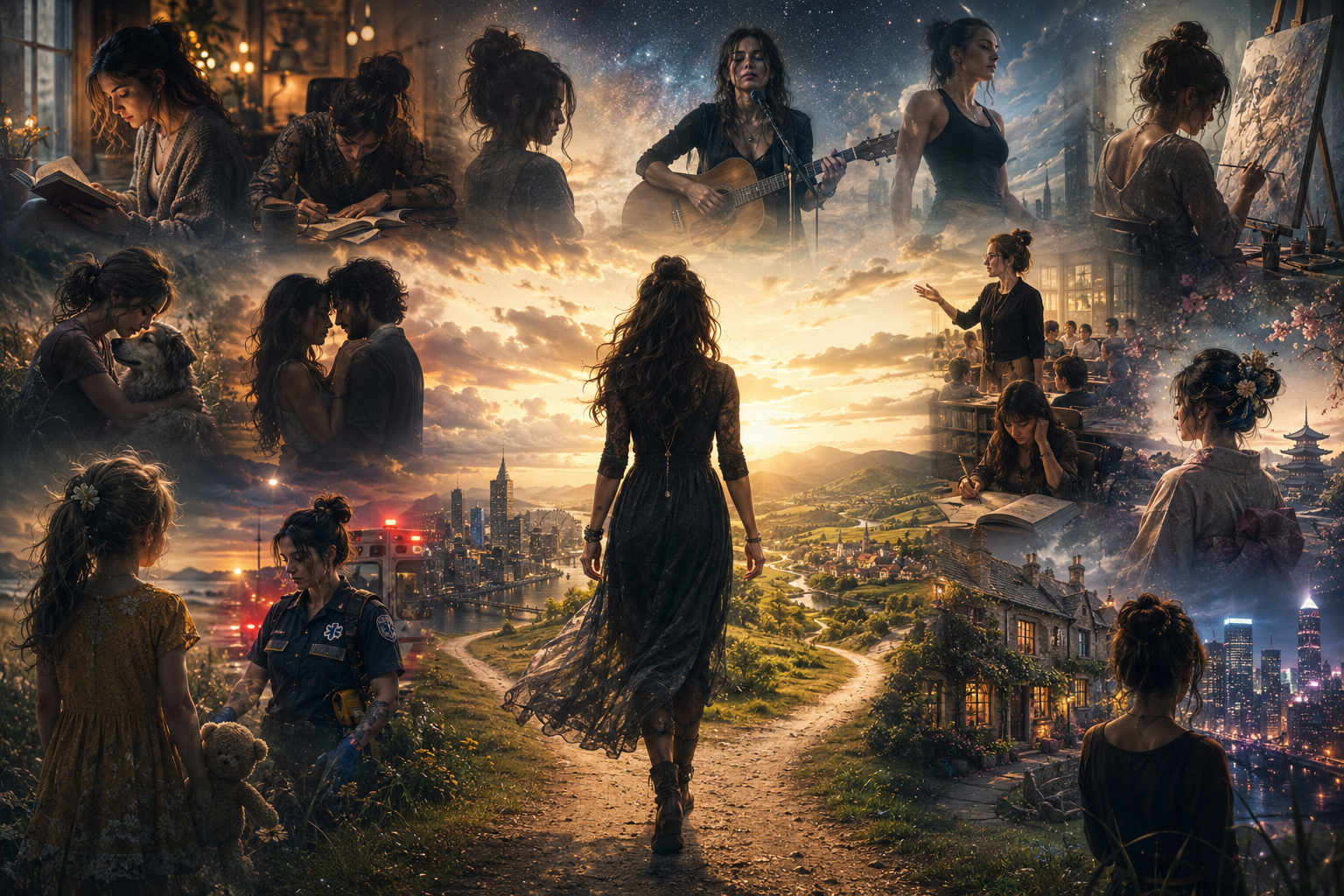
I’ve Lived a Million Lives
I have lived many lives within a single lifetime. I have been an adopted child searching for belonging, a paramedic witnessing humanity at its most fragile, a reader, writer, teacher, musician, artist, lover, traveller, and seeker. I have lived in different countries, embraced different beliefs, known both profound joy and deep depression. Each version of me has left its mark. None of those lives were wasted. Together, they have shaped the woman I am today and continue to guide me toward the person I am still becoming.
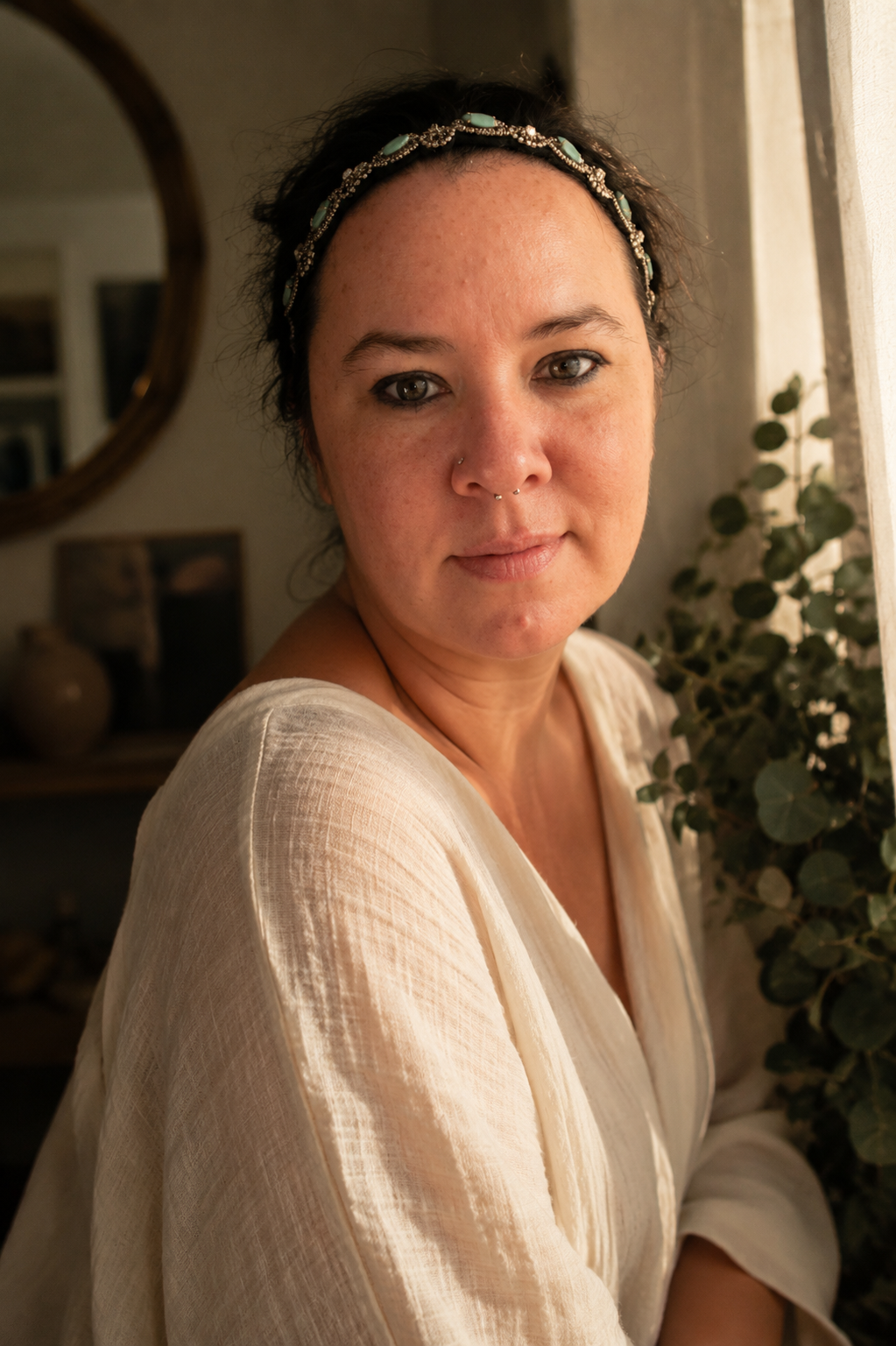
The Difficulty of Truly Being Seen
For years I worried about what other people thought of me, often hiding parts of myself in the process. Through the To Be Magnetic Being Seen Challenge, I'm learning that authenticity isn't about being fearless, it's about being honest. This essay explores the vulnerability of being truly seen and the freedom that comes from finally accepting yourself.
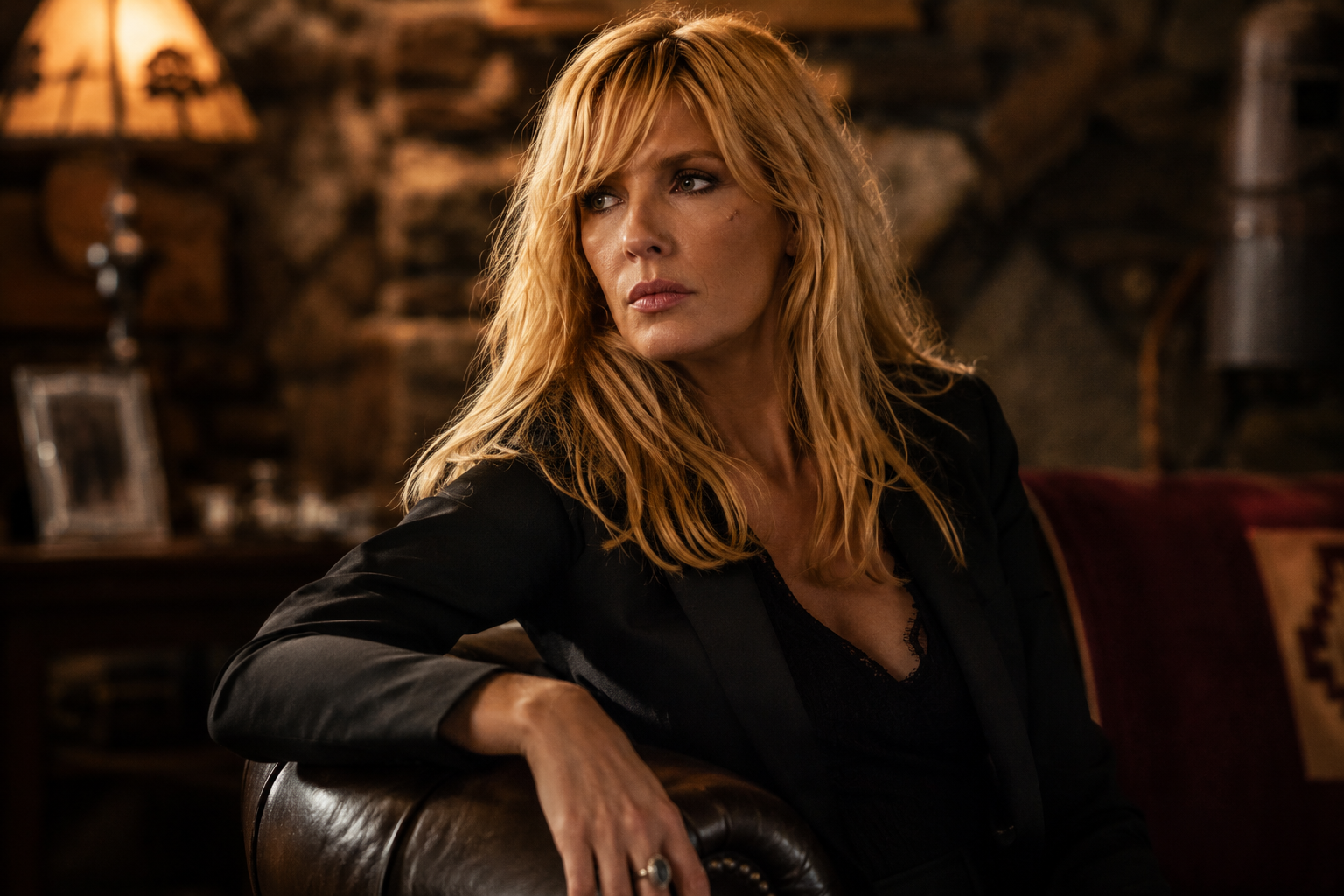
Beth Dutton: The Heart of the Storm in Yellowstone
Beth Dutton is one of television's most unforgettable characters. Fiercely loyal, brilliantly intelligent, and deeply scarred by trauma, she refuses to fit neatly into the role of hero or villain. In Yellowstone, Beth is the storm at the centre of every conflict, a woman shaped by loss, driven by love, and willing to burn down the world to protect the people she cares about. Love her or hate her, she is impossible to ignore.
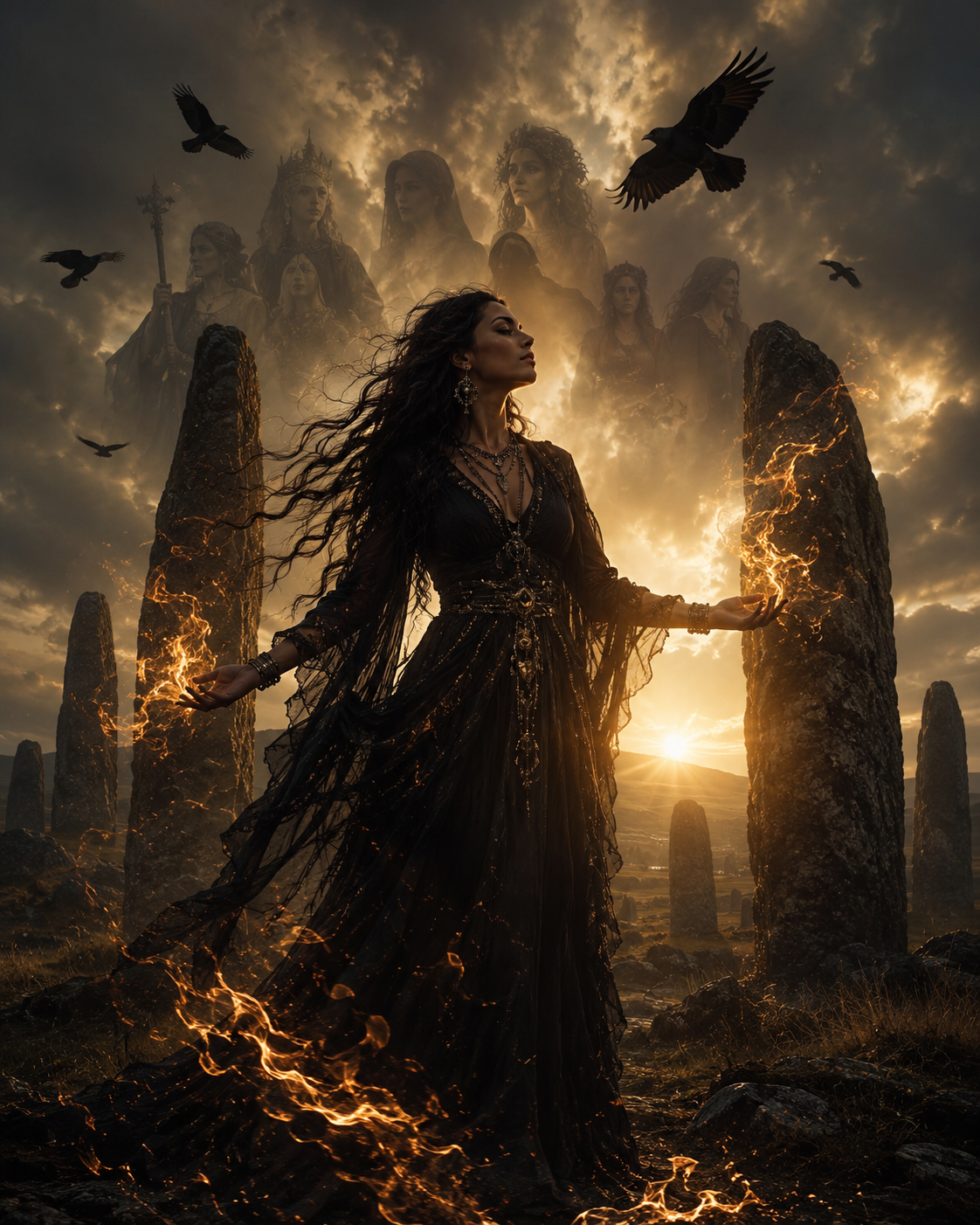
The Patriarchal Suppression of Women and Their Power in the Age of Monotheism
For centuries, women have been taught to shrink themselves. Their wisdom was labelled dangerous, their intuition dismissed, and their power feared. From the rise of patriarchal religious structures to the persecution of healers, mystics, and witches, the feminine voice has often been silenced. Yet despite generations of suppression, that power was never truly lost. It remained waiting beneath the ashes, ready to rise once more.